
Essential HVAC Maintenance Tips for Year-Round Home Comfort
Keeping your home comfortable throughout the year requires more than adjusting the thermostat when the weather changes. Heating and cooling systems work hard behind the scenes, and without regular care, small problems can gradually lead to higher energy bills, uneven temperatures, poor indoor comfort, and unexpected breakdowns.
The good news is that many common problems can be reduced or even prevented with consistent maintenance. Some tasks are simple enough for homeowners to handle on their own, such as changing filters or keeping vents clear. Others require professional attention, especially when electrical components, refrigerant, combustion equipment, or major repairs are involved.
A strong maintenance plan should cover more than the equipment itself. Airflow, ductwork, drainage, thermostat operation, and even nearby plumbing can all affect how well the system performs.
The key is to pay attention to changes. Strange sounds, longer run times, weak airflow, moisture, and rising utility costs may all indicate that something needs attention. By responding early and building a seasonal maintenance routine, homeowners can protect their equipment, improve comfort, and reduce the likelihood of expensive emergency repairs.
Replace Filters and Schedule Seasonal Tune-Ups Before Problems Start
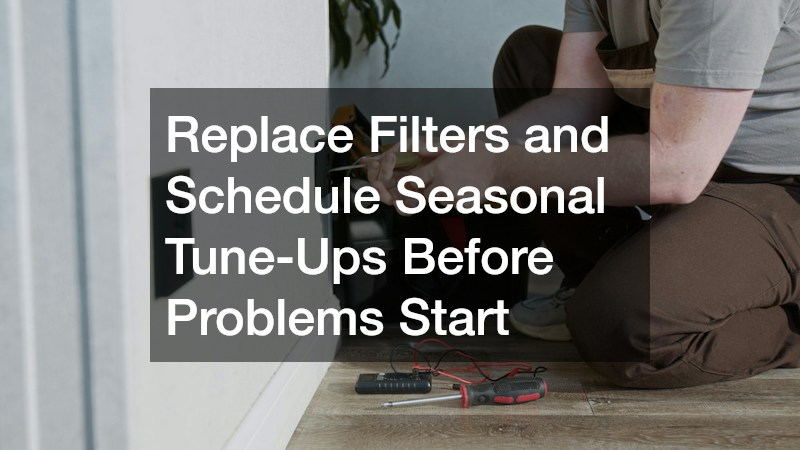
One of the simplest maintenance tasks is also one of the most important: keeping air filters clean.
A clogged filter restricts airflow through the system. When air cannot move easily, the blower must work harder to circulate conditioned air throughout the home. Over time, this added strain can increase energy consumption and place unnecessary wear on components.
Filters should be checked regularly, especially during periods of heavy use. Some households may need to replace them more frequently than others.
Consider more frequent filter changes if your home has:
- Multiple pets
- Family members with allergies
- Recent construction or remodeling dust
- High indoor occupancy
- Smokers
- Frequent outdoor air infiltration
The exact replacement schedule depends on the type of filter and system, so homeowners should always follow manufacturer recommendations.
Beyond filters, keep supply and return vents clear. Furniture, curtains, rugs, and storage items can block airflow and create uneven temperatures throughout the house.
Seasonal professional maintenance is also worthwhile. HVAC contractors can inspect components that are difficult or unsafe for homeowners to evaluate themselves.
A typical maintenance visit may include checking:
- Electrical connections
- Thermostat operation
- Blower components
- Refrigerant levels
- Condensate drainage
- Burners or ignition systems
- Heat exchangers
- Motors and belts
- Overall airflow
Scheduling service before the start of the heating or cooling season gives homeowners time to address problems before equipment is needed constantly.
Working with a dependable heating and air company can also make it easier to maintain a regular service schedule. Many providers offer maintenance plans that include seasonal inspections, reminders, and priority service.
Keep records of each visit. Note the equipment age, repairs completed, parts replaced, and any concerns mentioned by the technician. Over time, these records can help reveal whether a system is becoming more expensive to maintain.
Respond to Small Performance Changes Before They Become Failures
Heating and cooling systems rarely go from perfect operation to complete failure without warning. In many cases, there are noticeable signs that something is beginning to go wrong.
The problem is that homeowners sometimes ignore these changes because the equipment is still running.
For example, a system that suddenly takes much longer to reach the desired temperature may be compensating for an airflow issue, failing component, or loss of efficiency. A strange sound that appears occasionally may indicate that a motor, fan, or belt is beginning to wear.
Watch for warning signs such as:
- Rooms becoming hotter or colder than usual
- Frequent cycling on and off
- Weak airflow
- Sudden thermostat inconsistencies
- Rattling, grinding, buzzing, or banging sounds
- Burning or musty odors
- Unexpected energy bill increases
- System operation that seems noticeably longer than before
Problems that appear intermittent should still be taken seriously. A system may continue operating for weeks or months while a worn part causes additional strain elsewhere.
Scheduling local hvac repairs early can sometimes prevent a relatively minor issue from becoming a larger failure.
For instance, a worn motor may eventually stop working entirely. A drainage problem may lead to water damage. Low refrigerant levels may place stress on the compressor. Electrical problems can also become more serious if they continue unchecked.
Not every repair means the system needs to be replaced. Many HVAC repairs are routine and can extend equipment life when completed promptly.
However, repeated problems deserve a closer look.
Ask the technician questions such as:
- What caused the failure?
- Is this likely to happen again?
- Are other components showing signs of wear?
- How old is the system compared with its typical service life?
- Is this repair cost-effective considering the equipment’s condition?
If several major components fail within a short period, it may be more practical to begin planning for replacement rather than repeatedly investing in an aging system.
The goal is not to replace equipment prematurely. It is to recognize when repair costs are becoming less predictable and when continuing to patch recurring problems may no longer be the best long-term option.
Improve Cooling Efficiency Before Summer Temperatures Peak
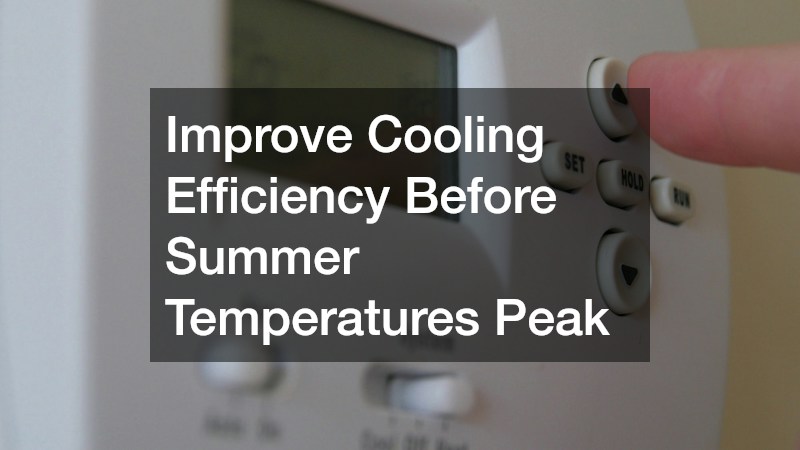
Cooling systems face their greatest workload during hot weather, so preparing the system before summer arrives can help reduce strain and improve comfort.
Start outside. The condenser needs open space around it to release heat properly. Leaves, weeds, grass clippings, and other debris can restrict airflow and make the unit work harder.
Keep vegetation trimmed back and gently remove loose debris around the equipment. Avoid stacking garden tools, furniture, or storage items close to the unit.
Inside, check that supply and return vents are open and unobstructed. Closing too many vents in unused rooms can sometimes create pressure imbalances and reduce overall system performance.
Thermostat settings also matter. Constantly adjusting the temperature by large amounts can lead to unnecessary cycling. A programmable or smart thermostat can help create a consistent schedule based on when the home is occupied.
Pay attention to symptoms that may indicate trouble, including:
- Warm air coming from vents
- Ice forming on refrigerant lines
- Weak airflow
- Excess indoor humidity
- Water around the indoor unit
- Rooms that never reach the desired temperature
- Unusual noises from the outdoor equipment
Professional air conditioning services can help identify whether the issue involves refrigerant, electrical components, airflow, drainage, or another part of the system.
If you need professional help, take time to compare HVAC companies instead of automatically choosing the first provider available.
Look for:
- Proper licensing
- Insurance coverage
- Written estimates
- Clear warranty terms
- Experience with your type of system
- Maintenance plan options
- Emergency availability
- Detailed explanations of recommended work
Price matters, but it should not be the only factor. A very low estimate may exclude parts, warranties, diagnostic work, or other services that are included elsewhere.
Scheduling maintenance before temperatures peak can also make the process easier. During major heat waves, service calendars often fill quickly because many homeowners experience problems at the same time.
Preventative service gives you more control over timing and reduces the chance that your system fails when it is working hardest.
Check Drainage and Plumbing Connections Around Mechanical Equipment
Heating and cooling systems can create moisture during normal operation, particularly when cooling indoor air.
Condensation typically drains away through a dedicated line. If that line becomes clogged, disconnected, or damaged, water may begin collecting around the equipment.
This is easy to overlook, especially if the air handler is located in an attic, basement, utility closet, or crawl space.
Check accessible areas periodically for signs of moisture.
Look for:
- Water in the drain pan
- Damp flooring around equipment
- Staining on nearby walls or ceilings
- Musty odors
- Rust or corrosion
- Visible algae buildup in drain lines
- Repeated system shutdowns
Many systems include a safety switch that turns the equipment off when water begins accumulating. If the system suddenly stops and there is moisture nearby, a drainage problem may be one possible cause.
Routine HVAC services often include inspecting condensate lines, drain pans, and related components. Keeping these areas clear can help prevent water damage and unnecessary shutdowns.
It is also important to remember that not all moisture near mechanical equipment comes from the heating or cooling system.
Nearby plumbing may be responsible.
Water heaters, supply lines, shutoff valves, drains, and other plumbing components may share space with mechanical equipment. A leak can spread across the floor and make it appear that the cooling system is the source.
Local plumbers may be needed if the moisture is related to:
- Leaking water lines
- Corroded fittings
- Drain backups
- Water heater leaks
- Pressure problems
- Failing shutoff valves
Finding the true source before beginning repairs is essential.
Do not ignore recurring moisture simply because it appears minor. Water can damage drywall, flooring, framing, insulation, and nearby electrical components. It can also create conditions that support mold growth.
Whenever unexplained water appears around mechanical equipment, investigate it promptly and monitor the area after repairs to make sure the problem has actually been resolved.
Inspect Ductwork and Know When Replacement Makes More Sense

Even a well-maintained heating and cooling unit cannot perform properly if conditioned air is not reaching the rooms where it is needed.
Ductwork plays a major role in home comfort. When ducts leak, become disconnected, or lose insulation, conditioned air may escape into attics, crawl spaces, or wall cavities instead of reaching living areas.
Signs of duct problems may include:
- Certain rooms staying consistently warmer or cooler
- Weak airflow from specific vents
- Excessive dust
- Whistling sounds
- Unusually high energy bills
- Visible gaps or loose sections
- Damaged or missing insulation
Homeowners can inspect exposed ductwork in basements, utility spaces, and attics where it is safely accessible.
Look for disconnected joints, torn flexible ducting, crushed sections, and deteriorated insulation.
Duct repairs may improve airflow and reduce energy loss when leaks or physical damage are identified.
Avoid using ordinary household tape for long-term sealing. Materials designed specifically for HVAC applications are generally more appropriate for duct joints and connections.
Sometimes, airflow problems are not caused by damaged ducts alone. Poor duct design, undersized return air, improperly sized equipment, or past remodeling can all affect how air moves through the home.
If a system has become unreliable, inefficient, or increasingly expensive to maintain, replacement may eventually make more sense than continued repairs.
Common reasons homeowners begin considering new equipment include:
- Frequent breakdowns
- Major component failures
- Increasing energy costs
- Poor comfort despite repeated service
- Significant home additions
- Equipment that has reached an advanced age
When evaluating air conditioning installation services, proper equipment sizing should be part of the process.
A larger system is not automatically better.
Oversized equipment may cycle on and off too quickly, reducing humidity control and comfort. Undersized equipment may run constantly while struggling to maintain the desired temperature.
A professional assessment should consider the home’s size, insulation, windows, layout, ductwork, and other factors that affect heating and cooling demand.
It is also worth addressing duct problems before or during installation. Installing new equipment without correcting major airflow issues can limit the performance of the new system from the beginning.
Build a Simple Routine to Protect Comfort and Efficiency

Reliable home comfort usually comes from consistent attention rather than emergency repairs alone.
A simple seasonal routine can make maintenance easier to manage. Check filters, vents, outdoor equipment, drainage, thermostat performance, and visible ductwork several times throughout the year. Pay particular attention before the first major heating or cooling demands of each season.
Changes in sound, airflow, temperature, moisture, or energy use should not automatically be treated as normal aging. These changes can provide useful early warning signs.
Keeping a written or digital maintenance record can also help. Track service dates, repairs, equipment age, warranty information, and recurring concerns. Over several years, that history can make repair-versus-replacement decisions much clearer.
Homeowners do not need to become mechanical experts. The goal is simply to recognize when something has changed and respond before a minor problem causes broader damage.
No system will last forever, but good maintenance can help equipment operate more efficiently, improve comfort, reduce unnecessary strain, and make unexpected failures less likely. A little attention throughout the year can go a long way toward keeping your home comfortable in every season.